2025 started and ends with the losses of two cinematic titans – David Lynch and Rob Reiner – and the intervening months brought the threatening advancement of AI (with still no restrictions or guardrails for everyone’s favourite technology); protests against genocides; Netflix co-CEO Ted Sarandos brazenly claiming that cinemagoing is “an outdated concept”; and news of looming corporate monopolies that endanger the cinemagoing experience and the way we experience films.
Put all of this in the context of escalating fascistic nonsense, ongoing wars, and the everyday horrors of the news, and safe to say that it’s been tough not to spiral into a meltdown.
While 2025 may have felt like a dumpsterfire, it’s clear that going to the movies remains one of the best ways to escape the madness. It’s emphatically not an outdated concept – it’s threatened but vital, now more than ever, not only as entertainment but as a way to generate empathy and spark curiosity. Both of which feel lacking these days.
Thankfully, it has been a strong year at the movies – so much so that selecting only 20 films that have helped us get through 2025 has been more difficult than ever. Even some of our favourites like The Ice Tower, Eddington, Drømmer (Dreams (Sex Love)), Black Bag, Hedda, The Bibi Files and Reflection in a Dead Diamond didn’t make the final cut… Decisions had to be made.
As always, we have kept to the cast-iron rule that the films need to have been released in European theatres this year. This means that even if we’ve seen the likes of Marty Supreme, The Secret Agent, No Other Choice, Pillion and Hamnet, they are sadly absent as they get Europe-wide releases in 2026.
So, without further ado, our countdown to the best film of 2025 begins with…
20) Alpha
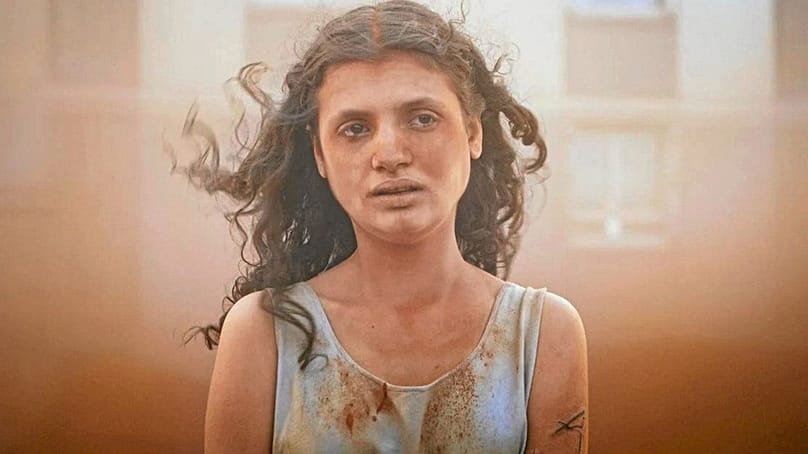
For those expecting another face-melting tale of gory excess from the acclaimed director of Grave (Raw) and the Palme d’Or winning Titane, Alpha may have come across as a letdown. Instead of another full-on body horror, French filmmaker Julia Ducournau tore more into the soul rather than the flesh with her third film. Following Alpha (Mélissa Boros), a 13-year-old girl who lives in a dust-filled world still recovering from a devastating epidemic which makes the infected become entomed in their own calcified bodies, the film is undeniably more impenetrable than Ducournau’s celebrated predecessors. However, in exploring the relationship between an adolescent protagonist and her mother (Golshifteh Farahani) amid the reappearance of her addict uncle (Tahar Rahim), Ducournau creates something truly special. Through the bleeding of two timelines, she initially establishes an allegory about the 1980s AIDS crisis; this morphs into a slow burning meditation on inhereted trauma, the acceptance of death, and how unconditional love is the only love worth fighting for. Alpha could be 2025’s most divisive film; it may be its most misunderstood; but it’s definitely one of its more underappreciated offerings. DM
19) Den Stygge Stesøsteren (The Ugly Stepsister)
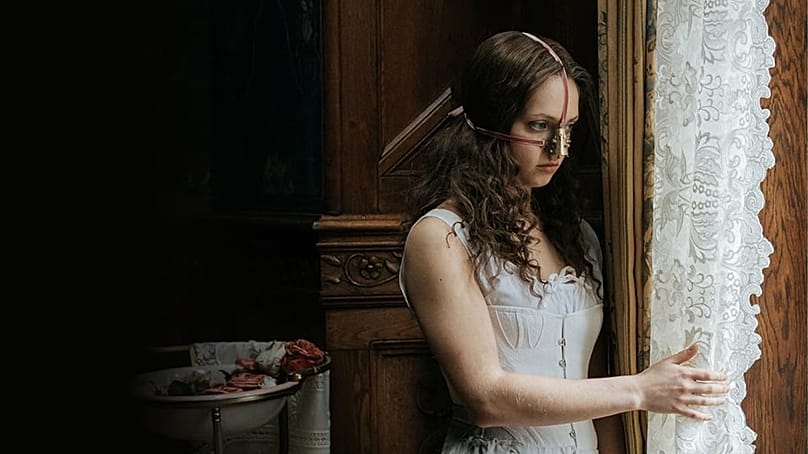
This confident and memorable debut feature from Norwegian filmmaker Emilie Blichfeldt reimagines the fairy tale Cinderella through the eyes of Elvira (Lea Myren), who will go to any lengths to compete with her beautiful stepsister Agnes for the affections of the prince. This involves gnarly surgeries, tapeworms and some Brothers Grimm-accurate toe cutting. Tempting though it is to draw a comparison with Coralie Fargeat’s The Substance (both films anchor themselves in the New Wave Feminist Horror movement and comment on societal expectations regarding beauty standards through squirm-inducing body horror and plenty of dark humour), Blichfeldt’s film shouldn’t be eclipsed by its genre neighbour. It’s a fully-formed first feature that heralds a new and ambitious cinematic voice. DM
18) Affeksjonsverdi (Sentimental Value)

Four years after Renate Reinsve won the Best Actress Palme for her performance in Joachim Trier’s The Worst Person in the World, the Norwegian duo reunite for this seriocomedy that explores dysfunctional family dynamics and the possibility of reconciliation through art. It’s a winning combination, chiefly because Reinsve is, as always, a magnetic screen presence. She plays an actress who has semi-followed in her absent father’s artistic footsteps. The latter comes back into her life with a (problematic) proposition: he’s written an autobiographical screenplay and wants his daughter to play the role of his mother. Both Reinsve and Stellan Skarsgård are pitch-perfect, with their on-screen dynamic buttressing themes of intergenerational family trauma. The only reason Sentimental Value doesn’t feature higher on our list is down to some excessive (and at times too literal) detours regarding historical trauma which detract from the film’s core, ie: the importance of tenderness when faced with life’s complicated truths and the vulnerability necessary for relationships to heal. And while the denouement is predictable, the subtly devastating final shot does enhance the film’s emotional resonance. It remains an affecting ode to trying one’s best and how, in some cases, life and art can converge to create something bigger. DM
17) 28 Years Later
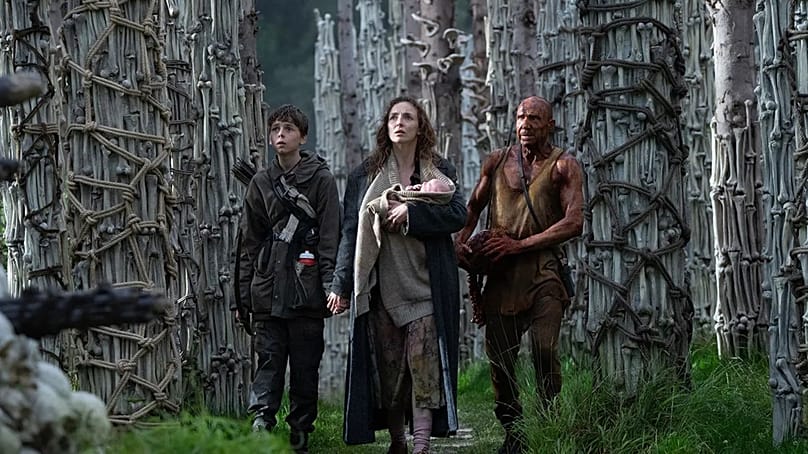
Nearly a quarter of a century after 28 Days Later reshaped modern zombie cinema, Danny Boyle returns to the rage-virus world with a sequel that refuses to play it safe. 28 Years Later, the third in the franchise, is ferocious, messy and often exhilarating – but it’s also unexpectedly the most emotional yet. It follows Spike (Alfie Williams, an exceptional new talent), a 12-year-old raised on a tidal island who ventures onto the infected mainland – first with his tough, scavenger father (Aaron Taylor-Johnson), then later without him – in a desperate attempt to find the reputedly mad, skull-collecting Dr Kelson (Ralph Fiennes), whose help may be his only hope to save his bedridden mother (Jodie Comer). Visually, it’s unlike anything else in recent years: shot mostly in a jagged, hyper-modern iPhone style and cut at a breathless pace, with a mind-bending “kill cam” that freezes, twists and lunges through moments of violence like a modern take on The Matrix’s bullet time. But beneath all the gore and zombie spectacle, Boyle and Alex Garland put together a surprisingly tender and deeply moving coming-of-age story about love, loss and finding connection in a brutal world. And with one of the year’s most intriguing and genuinely unhinged endings, 28 Years Later will likely leave you itching for next year’s instalment, The Bone Temple. TF
16) Superman

Declaring Superman this year’s best blockbuster might be damning with faint praise, considering the disappointing competition of Mission: Impossible – The Final Reckoning, F1, Jurassic World Rebirth and Avatar: Fire And Ash. Still, it more than earns the title, as this is a reboot that isn’t afraid to be fun, exuberant and silly – elements excised from Zack Snyder’s botched doom-and-gloom takes on the Last Son of Krypton. James Gunn embraces the spirit of the seemingly bygone era of campy comic books and gives you a Superman (a perfectly cast David Corenswet) worth rooting for. He even squeezes in some surprising social commentary about cancel culture and geopolitical conflicts, and throws in the scene-stealing Krypto for good measure.This fast-paced adventure may be overstuffed, but it understands quite how obstinate young pups can be and that an alien humanitarian for whom “kindness is punk rock” is precisely how you counter superhero fatigue. And hateful rhetoric around immigration. DM
15) Die My Love

Despite most of its events taking place at a rural farmhouse in America, surrounded by open woodland, Die My Love feels astonishingly claustrophobic, like smoke from a fire slowly choking a room. If that doesn’t sound pleasant, it’s because it isn’t – Lynne Ramsay’s fifth feature film is by no means an easy watch, but an extremely powerful one. Buttressed by striking animalistic imagery and a stand-out lead performance from Jennifer Lawrence, it explores a young woman’s descent into madness after having a baby. Much like Ramsay’s other works, including You Were Never Really Here and Morvern Callar, trauma manifests as visceral, poetic visuals that stew and bubble on screen – both captivating and horrifying. Unlike 2024’s Nightbitch, it’s a film that dares to push its uncomfortable themes to their limits, crafting a howling, bloody-fisted and blazing portrayal of female turmoil that stands alongside John Cassavetes’ A Woman Under The Influence and Andrzej Żuławski Possession. AB
14) April
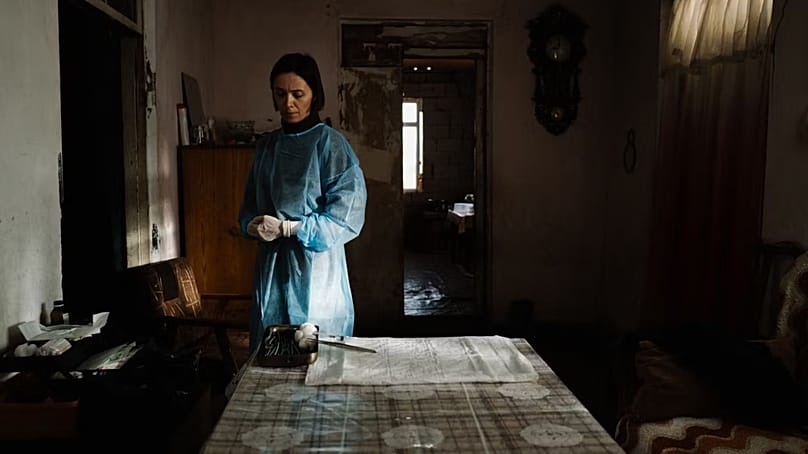
Award-winning Georgian director Dea Kulumbegashvili’s April is a film that most people likely won’t have heard of, let alone seen. Having premiered at Venice Film Festival in 2024, it was only released in select cinemas this year. It also requires a very particular kind of audience – one that is willing to submit themselves to 134 minutes of harrowing imagery and meandering surrealism, resulting in one of contemporary cinema’s most audacious and affecting experiences. A portrait of a troubled ob-gyn named Nina (Ia Sukhitashvili), who moonlights performing illegal abortions across rural Georgia, it casts a cold, clinical gaze at societal stigmas, the dehumanisation of women’s bodies, and the cruel systems designed to see us fail. Thoroughly researched and unflinchingly examined, Kulumbegashvili’s daring, experimental vision embraces something mainstream cinema seems increasingly adverse to: discomfort. AB
13) Ainda Estou Aqui (I’m Still Here)
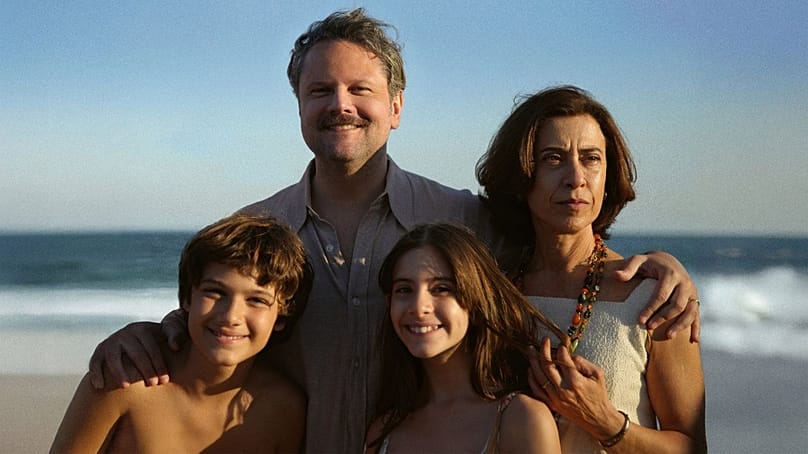
Walter Salles’ I’m Still Here is a gut punch of a film – visceral, devastating, and impossible to forget. Fernanda Torres gives an extraordinary performance as Eunice Paiva, a housewife forced to reinvent herself as an activist when her husband, ex-congressman Rubens, is abducted during Brazil’s 1970s military dictatorship. The film’s opening takes its time in immersing us in the warmth of family life – the laughter, the books, the beach volleyball and joys of Rio – before the shadow of political violence and uncertainty creeps in. With Salles’ use of Super-16 and 35mm film, alongside a soundtrack blending Tropicália and a haunting score from Warren Ellis, I’m Still Here manages to capture a pain that is both intimate and universal: the pain of not knowing, the grief that never fully resolves. But it’s also a film about memory – of those we’ve loved, the moments that made life feel full, and of the historical tragedies we must confront lest they be repeated. In a world of misinformation, rising authoritarianism, and repeated persecution of minorities, this is an urgent, haunting, and essential watch. TF
12) Frankenstein
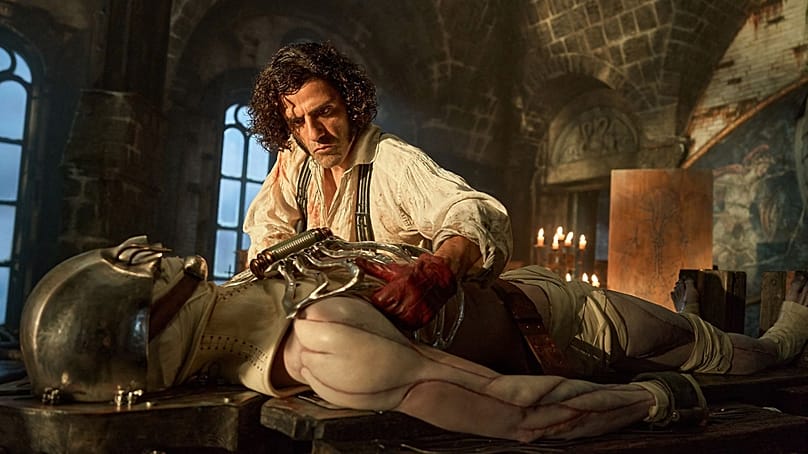
For Guillermo del Toro, it all began with Frankenstein. A chance TV screening of James Whale’s 1931 version starring Boris Karloff, to be exact. Ever since, the Mexican filmmaker has been beguiled by tales of misunderstood monsters, crafting a filmography of gothic-drenched gems like Crimson Peak and Pan’s Labyrinth. Now, he’s finally made his own version of Mary Shelley’s classic novel – and unlike the creature, it’s far from hideous. In fact, every shot feels like walking into a painting, with cinematographer Dan Laustsen making scenes swim in a potion of deep colour and brushstroked light. The sets and costume designs have a level of artistry and detail rarely seen in an age of CGI; everything from Lady Elizabeth’s (Mia Goth) iridescent beetle necklace to the full-scale Arctic expedition ship built from scratch. While the story itself arguably takes a too literal approach to the source material, it remains a magical watch that emanates whimsy and heart. “In seeking life, I created death,” laments Victor Frankenstein. In seeking to fulfill his creative aspirations, del Toro has created art that will enliven countless imaginations – much like a version of the story once did for him. AB
11) Bugonia
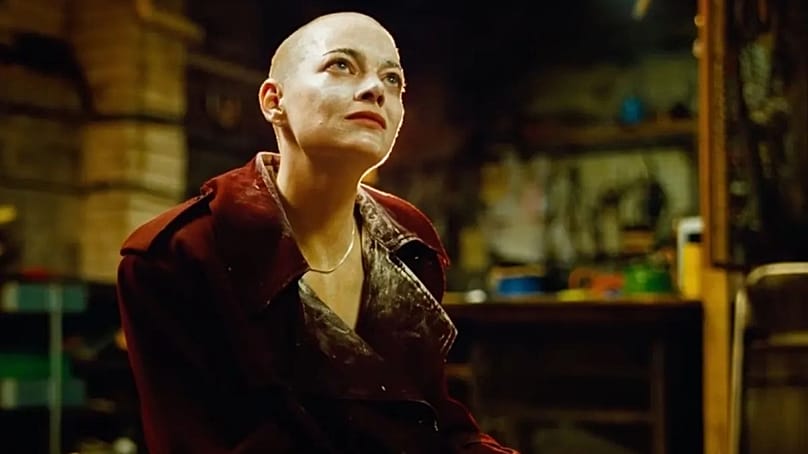
After putting her through a baroness fracas (The Favourite), a fantastical fable (Poor Things) and an underrated / demented triptych (Kinds Of Kindness), Yórgos Lánthimos makes Emma Stone an object of cosmic suspicion in his fist remake – that of South Korean director Jang Joon-hwan’s 2003 comedy-horror Save The Green Planet!. She plays Michelle, a high-powered pharma CEO who gets kidnapped by two conspiracy theorists (Jesse Plemons and Aidan Delbis) who have doomscrolled their way into believing she’s an alien. And they want a confession. It’s a tense, bleakly funny sci-fi chamber piece that reveals itself as a distrubingly topical satire of the contemporary American psyche and a broader indictment of our modern age. While the punchline may be expected – especially for those who have seen the original – the grotesque and impressively mournful final act makes Bugonia the feel-bad comedy of 2025. Word of warning: Flat-Earthers may feel vindicated. DM
10) O Último Azul (The Blue Trail)
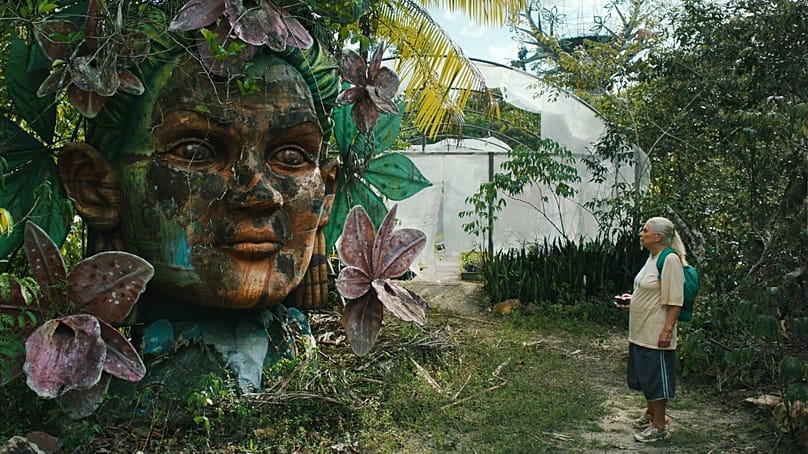
Gabriel Mascaro’s Brazil-set dystopia O último azul (The Blue Trail) sits alongside Walter Salles’ I’m Still Here and Kleber Mendonça Filho’s The Secret Agent (more on that one next year) as one of Brazilian cinema’s finest 2025 exports. It stars Denise Weinberg as Tereza, an elderly woman defying the seemingly benevolent government that has decreed people past the age of 75 should be sent to a remote housing facility called the Colony. Rather than overplay his Orwellian hand (the population control aspect from the authoritarian regime could have gone very Soylent Green), the director crafts an unpredictable road movie which doubles up as an anti-ageism parable. As affecting in its surreal poetry as it is provocative as a cautionary tale about the marginalization of the elderly, The Blue Trail is a timely and timeless warning cry. DM
9) Ṣawt Hind Rajab (The Voice of Hind Rajab)
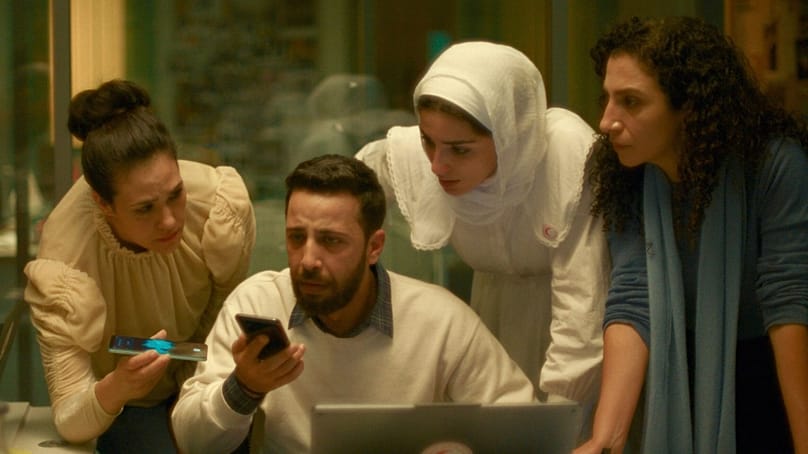
On 29 January 2024, five-year-old Hind Rajab made a distress call to the Palestine emergency services. The young Palestinian girl was trapped in a car with the corpses of her relatives, the sole survivor of an Israeli attack in Gaza. She begged for help as the Israel Defense Forces tanks closed in, with the Palestine Red Crescent volunteers trying to calm her and get an ambulance to her location. Like her Oscar-nominated film Four Daughters, Tunisian filmaker Kaother Ben Hania fuses documentary and dramatic reenactments; she uses the real-life audio recordings of Rind Hajab’s call and dramatises the response of the emergency workers. We hear the cruelty of real events and see a fictionalised version of the rescue attempt. Which failed, as it was confirmed and documented by The Washington Post and the Euro-Mediterranean Human Rights Monito that the IDF riddled the car with 355 bullets and killed two paramedics coming to the girl’s rescue. Enraging and urgent both in substance and form, The Voice of Hind Rajab won this year’s Silver Lion in Venice, and justly so. Despite some minor bum notes in the way it handles some emotional beats, it’s a docudrama that not only shows the consequences of a genocidal campaign but stands as a devastating elegy to an innocent girl who was robbed of her right to live. DM
8) Weapons
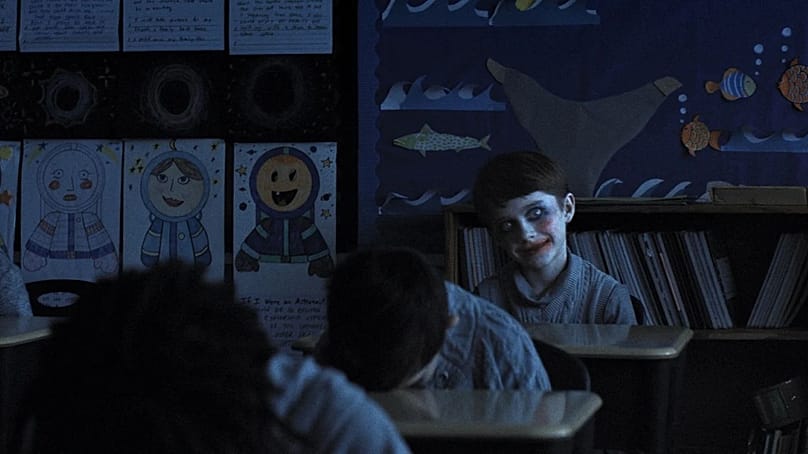
A cinematic icon was born this year in the form of aunt Gladys: the twig-snapping witch from Zach Cregger’s warped fairytale. Played with eccentric gusto by Amy Madigan, her red wig, smudged lipstick and gummy teeth instantly entered the canon of legendary monsters. But beyond the Halloween costumes and TikTok parodies it has inspired, Weapons is one of the sharpest, darkest and most fun horrors we’ve seen in a long time. What begins as a small-town mystery concerning 17 children who suddenly go missing one night, unravels into a bombastic supernatural fable that subverts all expectations. Layered with haunting imagery, political allegories and comedic absurdity, Cregger masterfully manipulates tone within a three-act structure to generate gasps at every turn. More than that, it’s a movie you’ll find new meaning in with every watch; theories that keep you awake at 2:17am with a shower cap on your head (lest someone should creep in and snip some of your locks). AB
7) The Brutalist
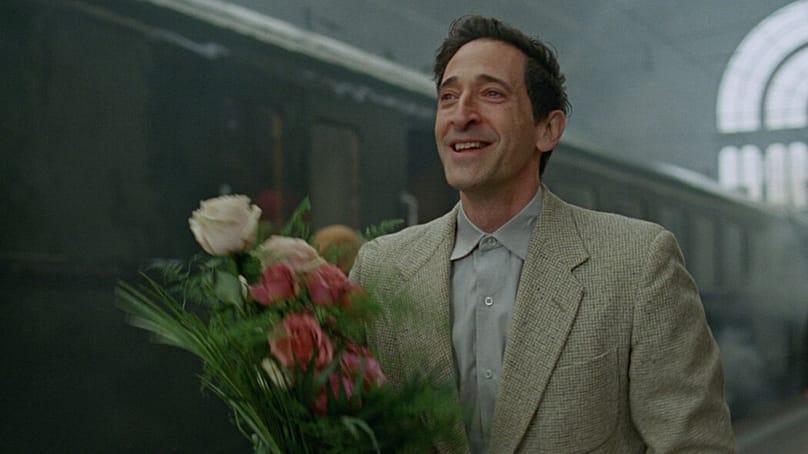
The Brutalist is a long film – three and a half hours long, complete with a merciful intermission – but director Brady Corbet makes every minute count. Adrien Brody gives a career-defining (and Oscar-winning) performance as Laszlo, a Jewish architect who survives the Holocaust and moves to postwar America, hoping for a fresh start with his wife Erzsebet (Felicity Jones). What begins as a story of immigration and reinvention grows into a sprawling exploration of trauma, ambition, and the invisible forces that shape our lives. Laszlo faces both systemic obstacles and deeply personal betrayals, from moody client Harrison Lee Van Buren (Guy Pearce) to the many challenges of building a career while holding onto his values. Stunning cinematography and modernist production design, a thunderous score from Daniel Blumberg, and razor-sharp supporting performances elevate The Brutalist into something monumental. Emotionally demanding and bladder-testing, yes – but deeply rewarding, and one of the most ambitious films in years. TF
6) Sinners

As the rest of this list proves, it’s been a great year for horror. To the extent that some of our horror picks at the halfway mark, like Bring Her Back, Together and Presence, didn’t make the end of year cut. But nothing has left a mark quite so big as Ryan Coogler’s Sinners. A tale of two twin brothers (both played by Michael B. Jordan) who use their mobster money to open a juke joint in their hometown of Mississippi during the Jim Crow-era, the film slow-burns, subversively, into a vampire-fuelled nightmare. It’s an evil that’s stirred by the talents of young musician Sammie (Miles Caton), whose blazing blues attract blood-sucker Remmick (Jack O’Connell). An innovative blend of historical context and genre tropes, Sinners is not only a powerful allegory for cultural appropriation, but also a dizzying catharsis. Guided by rhythm and pain, it sears with the emotional intensity of a guitar string’s wails; sinking its fury under your skin like a fang-bearing mouth. Cinema doesn’t get more exhilarating than this! AB
5) Nickel Boys

RaMell Ross’ Nickel Boys is one of the most ambitious and emotionally devastating films in recent years – a bold reimagining of what historical cinema can look and feel like. Drawing from Colson Whitehead’s Pulitzer Prize-winning novel and the real-life abuse at Florida’s Dozier School for Boys, it tells the story of Elwood (Ethan Herisse) and Turner (Brandon Wilson), two African-American teens trapped inside a violent reform school during the Jim Crow era. Ross, working with cinematographer Jomo Fray, shoots the film predominantly in first-person perspective, collapsing the distance between viewer and subject and forcing us to experience the boys’ fear, confusion, and fleeting moments of hope from their own eyes. And rather than relying on graphic violence, Ross lets atmosphere, memory and absence do the work, making the horrors feel all the more real. Elevated by powerful performances, a brilliant ambient score and careful sound design, Nickel Boys is a must-see – the kind of film that stays with you long after the credits roll. TF
4) It Was Just An Accident

Dissident Iranian filmmaker Jafar Panahi’s first film since being released from prison for “endangering national security” won this year’s Palme d’Or. And deservedly so. It Was Just An Accident follows a group of former political prisoners who seek confirmation that the man one of them impulsively kidnapped is the sadist who tortured them in jail. Loosely informed by Panahi’s own emprisonment by the Iranian government and shot in secret to avoid censorship, this hostage drama is a tonally rich and surprising masterwork. It’s an engrossing thriller that explores the consequences of torture, the price of revenge and whether mercy is possible. Panahi also masterfully injects some bleak comedy and even slapstick elements to craft a satirical road-trip which critiques the Islamist Republic’s repression and functions as a timeless commentary of the sins of state despotism. It also features the most ingenious and jaw-dropping final scene of 2025: a one-take shot which uses sound to devastating effect. After last year’s The Seed of the Sacred Fig and My Favourite Cake, It Was Just An Accident once again reminds us that the stellar work of Iranian filmmakers shouldn’t be taken for granted by audiences, who have the privilege of being able to experience the work of creatives who literally put it all on the line for the sake of their artform. Case and point: Panahi could be imprisoned again for making this very film. He’ll hopefully be at the Oscars next year, as his film will represent France. Fingers crossed for a win. DM
3) Sorda (Deaf)
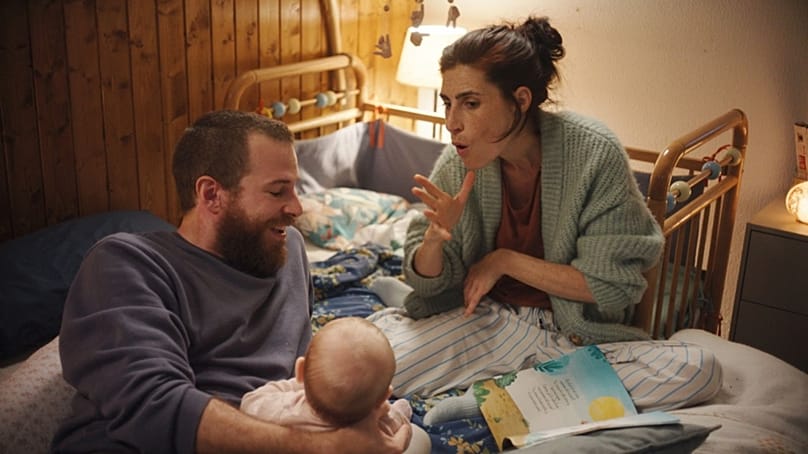
Sorda (Deaf) is the heart-poundingly beautiful second feature from Spanish filmmaker Eva Libertad. It tells the story of an inter-abled couple: a deaf woman, Ángela (Miriam Garlo), and her hearing partner, Héctor (Álvaro Cervantes). They are expecting a child and don’t know whether the baby will be deaf or hearing. Each possibility could affect them as a couple, as future parents, and as individuals wishing to share their perspectives of the world. Deaf deals with parenthood and the trials of motherhood, and stands out through its depiction of love. By taking the time to introduce the audience to a loving couple and their supportive network of friends, Libertad ensures that the audience is completely invested in the wellbeing of her protagonists. Her film gloriously grapples with complex emotions and the isolation that decries from institutional discrimination. Above all, it does justice to a specific community while still managing to make its themes about the importance of communication and finding your community feel universal. It is one of those rare films that manages to fill your heart, break it, and then put it back together again – all without toppling into melodrama. A triumph. DM
2) Sirāt

Desert landscapes, dusty revellers, and a father and son on a quest to find their missing daughter and sister as the world around them collapses. Óliver Laxe’s Cannes Jury Prize-winning film changes you; its scorched surrealism taking you on a bleakly poetic spiritual odyssey. It also defies any coherent explanations, more of a viscous, techno-hazed atmosphere that simmers and swells in unexpected ways. What begins as a family’s journey with a group of anarchistic ravers quickly descends into a horizonless nightmare filled with political turmoil and explosive grief. At a time when the future feels scarier than ever, Laxe’s textured approach serves as a reminder of the thin line between desire and despair; the ways in which we must pass through one to reach the other. Yet despite its horrors (the final act is one of the tensest bits of cinema ever), there’s a strange optimism at Sirāt’s core: If we can keep moving through the chaos, hope remains. AB
1) One Battle After Another
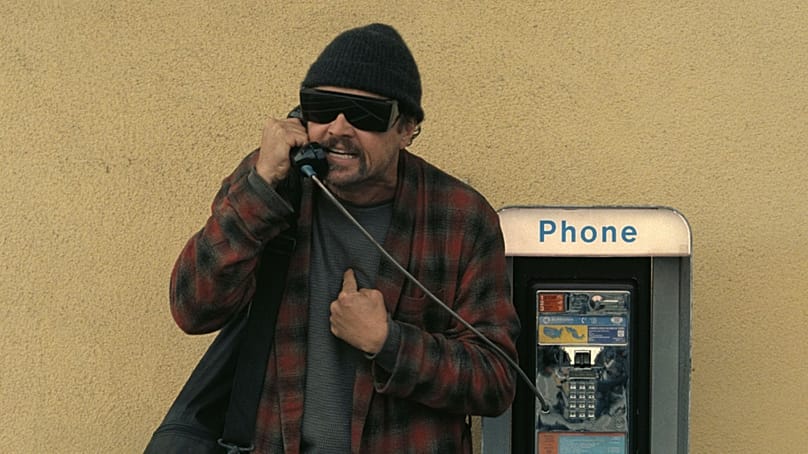
Loosely inspired by Thomas Pynchon’s postmodern countercultural novel “Vineland”, Paul Thomas Anderson’s tenth feature answers the question: “What if we gave one of the most talented filmmakers of his generation a blockbuster-sized budget and let him shoot the absolute shit out of The Big Lebowski-meets-Taken?”
Centered around a dishevelled revolutionary (Leonardo DiCaprio) who is forced out of retirement when a former enemy (Sean Penn) threatens his daughter (Chase Infiniti) in a bid to revive an old grudge, One Battle After Another is thrilling in how unclassifiable it is. It’s a paranoid thriller; an oddball stoner adventure; a satirical farce about power structures, radicalisation and idealism; a timely look at divided America and its supremacist excesses; a timeless rallying cry against dogmatism… Above all though, it’s a tale about a bath-robed dad who decided to drop his revolutionary calling for his child. He’s having a terrible day and trying his level best to protect his teenage daughter from inheriting his past, attempting to leave a better world for her.
There’s a lot of movie in here, but at no point do the reins escape Anderson’s grip. His efforts are galvanized by a cast on top form – with Teyana Taylor and newcomer Chase Infiniti standing out – as well as Jonny Greenwood’s stellar scoring efforts.
It’s heartening to see that there are still studios out there willing to grant creative freedom and bankroll such daring and entertaining cinema – which, on paper, may read like lunacy. So, Viva la Revolución, down with the Christmas Adventurers, and bring on awards season. We’re betting that One Battle After Another will steamroll its way to Oscar glory, with voters recognising that this new PTA classic deserves all the trophies. DM
There we have it.
How did we do and did we miss your favourite film of the year?
Maybe it’s in our midway report, the Best Movies of 2025… So Far list. Or maybe it was in our Best Movies of 2024 list, as release dates vary from territory to territory.
If not, let us know, and we’ll hear you out and hopefully make amends. Just don’t try to tell us that Mission: Impossible – The Final Reckoning was a franchise-capping triumph or that The Phoenician Scheme was on par with Wes Anderson’s best. We’ll just laugh in your face.
Check out more of Euronews Culture’s Best Of 2025 series, with our Best Albums of the Year, the Top Trends of 2025 and the Art Exhibitions that made our year.