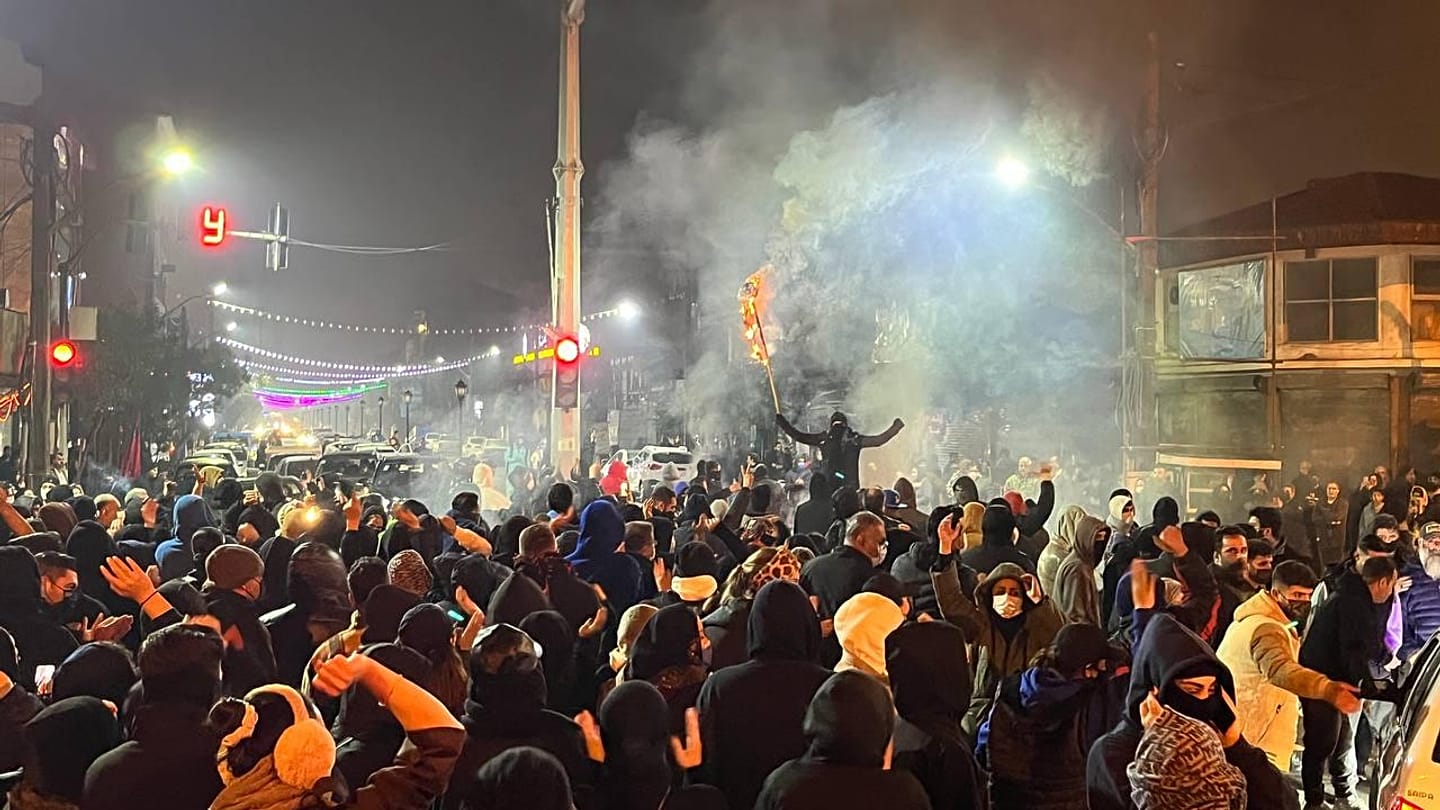
Shutting off means of communicating with the outside world is an approach that, over the years, has turned into one of the most effective tools for Iranian authorities to control the flow of information.
It’s a pattern that has been seen several times over the years, enforced with varying intensity. For example, during the 12-day conflict with Israel in June 2025, Iran’s internet bandwidth was significantly reduced.
During the November 2019 protests against rising fuel prices, ordinary users’ access to the internet was almost completely cut off, though certain institutions and individuals retained limited, controlled access.
During the “Women, Life, Freedom” protests, internet speeds were noticeably reduced and widespread disruptions were reported, but connections were never fully severed, allowing for at least a minimal information flow.
However, during the most recent protests, the situation has changed in an unprecedented way. Not only has access to the internet been completely cut off, but mobile phone networks and international calls have also gone offline. The only relatively stable line of communication remains landline calls within the country.
This level of communications restriction goes far beyond previous internet control measures and indicates that the government’s measures have expanded from the digital space to theentire telecommunications infrastructure.
Internet shutdowns are primarily aimed at preventing the transmission of images, videos and news from inside Iran.
Under such conditions, independent media are effectively unable to report from the country, leaving the government as the sole narrator of events.
Simultaneously, the ability of protesters to coordinate through social media and messaging apps is virtually eliminated. The shutdown of mobile networks serves the same purpose, blocking direct and immediate communication among citizens.
Additionally, the Islamic Republic has long disrupted Persian-language satellite channels through jamming signals, preventing the reception and broadcasting of these networks. This measure further limits access to foreign media and completes the government’s information control loop.
What is happening in Iran today, both in scale and intensity of the communications blackout is unprecedented in recent history. It indicates that the recent protests have, more than ever, alarmed the authorities in Tehran and compelled them to employ the full extent of their communications control tools.